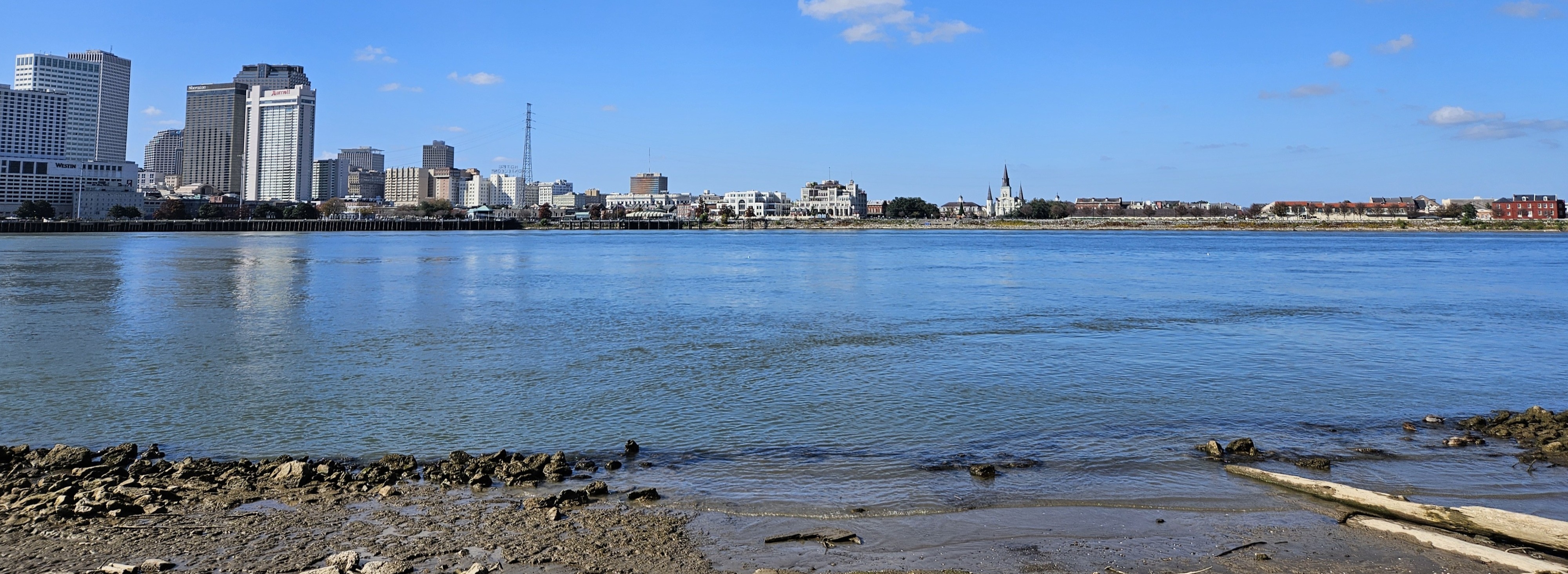
About Edge Effects
In ecology, edge effects refer to the dynamic exchanges that occur where adjacent ecosystems meet. At these intersections, conditions shift, species react, and the broader system changes, for better or for worse. Environmental organizations and leaders face similar dynamics, making decisions amid emerging science, changing mandates, organizational constraints, and competing perspectives. In these moments, how decisions are made can have lasting consequences, often shaping outcomes as much as the decisions themselves.
Edge Effects was founded to support organizations working in these conditions. We work at the intersection of science, policy, and strategy, to bring clarity and structure to programs and projects, where near-term decisions shape long-term outcomes. Edge Effects help leaders navigate complexity with confidence by:
- bringing together diverse perspectives,
- designing processes that support follow-through, and
- providing actionable guidance.
Rooted in technical expertise, shaped by experience working inside government agencies, and guided by thoughtful strategy, our approach supports planning and implementation of local environmental initiatives and large-scale management actions, delivering measurable results.
Meet the Founder
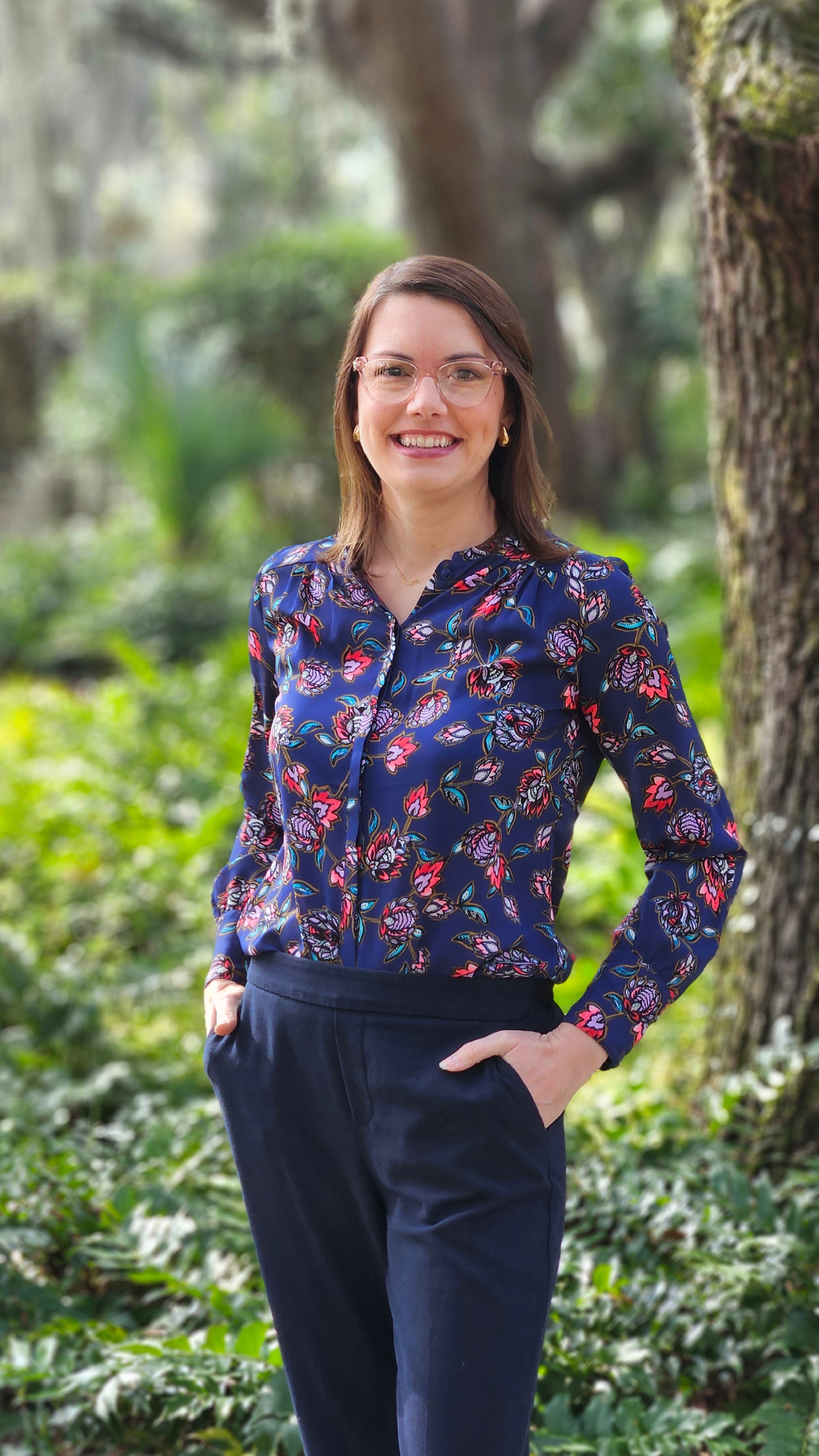
With two decades of experience spanning federal agencies, non-governmental organizations, and research institutions, Ann Hijuelos brings a rare blend of scientific expertise, strategic leadership, and principled practice to her work. She is recognized for her ability to distill science and engineering into clear, accessible products, build consensus across diverse stakeholders, and develop planning strategies that guide decisions, actions, and long-term outcomes.
Her career has centered on leading large-scale initiatives that shape the future of water and environmental stewardship across the Gulf coast and Mississippi River system. Prior to starting Edge Effects, Ann was Senior Project Manager at the U.S. Army Corps of Engineers, New Orleans District. In this role, she led the Lower Mississippi River Comprehensive Management Study, a multi-state initiative to reimagine the management of the river for the next 100 years. She also developed technical review and permitting decision processes for two of the most ambitious coastal restoration projects in the nation.
She previously worked for the U.S. Geological Survey, building consensus-based adaptive management frameworks and advancing ecosystem restoration strategies across the Gulf coast, helping to align billions of dollars in investments from the Deepwater Horizon Oil Spill with long-term ecosystem outcomes. Before joining the federal government, Ann worked as a research scientist in the Florida Everglades and Louisiana's freshwater and coastal systems, including developing monitoring, modeling, and adaptive management tools for Louisiana’s Coastal Master Plan. Together, these efforts demonstrate her strength in problem solving, collaboration, and navigating politically sensitive, technically complex environments.
Ann also serves on the Board of Directors for the Native Plant Initiative of Greater New Orleans and regularly volunteers with nonprofit organizations protecting and advancing the well-being of animals. She resides in New Orleans, LA with her husband, Jason, and rescue pets, Moose and Toonces.
Education & Certifications
- Master of Science in Biology, Florida International University, Miami, FL
- Bachelor of Science in Wildlife and Fisheries, Louisiana State University, Baton Rouge, LA
- Decision Analysis: Elicitation and Facilitation, U.S. Department of Interior
- Adaptive Management: Structured Decision Making for Recurrent Decisions, U.S. Department of Interior
- Introduction to Structured Decision-Making, U.S. Department of Interior